Animal Brains Work: How?

Kwame Johnson
| 29-07-2026
 · Animal Team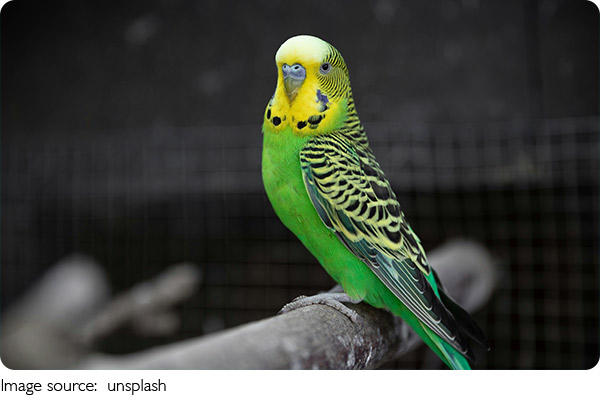
The brains of animals provide a fascinating window into the evolutionary, biological, and functional diversity that underpins cognition, behavior, and survival.
Across the vast range of species, animal brains vary in size, structure, and complexity, yet many share fundamental features that allow them to process information, learn, and adapt.
Basic Brain Structure Across Vertebrates
The vertebrate brain can be embryonically divided into three primary regions: the forebrain (prosencephalon), midbrain (mesencephalon), and hindbrain (rhombencephalon). The forebrain includes structures like the cerebral cortex responsible for advanced processing, the limbic system involved in emotions, and the basal ganglia which coordinate movement. The midbrain processes sensory inputs and motor responses, while the hindbrain regulates autonomic functions and balance.
Neuronal Density and Cognitive Abilities
Brain size alone is a poor indicator of intelligence; rather, the number and density of neurons, especially in the cerebral cortex or analogous regions, better predict cognitive capacity. For example, the human cerebral cortex contains approximately 16 billion neurons, far exceeding many animals, supporting advanced language, reasoning, and sensory processing.
Birds, such as crows and parrots, achieve high cognitive functions with fewer neurons by densely packing them in specialized brain regions, showcasing differing evolutionary solutions to intelligence. This diversity highlights that complex cognition arises from efficient neural architectures rather than sheer brain size.
Learning and Neural Plasticity: The Cerebellum’s Role
The cerebellum, constituting up to 10% of brain volume but housing 50% of neurons in many vertebrates, plays a critical role in refining motor control and learning motor skills through trial and error. This region aids in the precision of movements and coordination, as well as some cognitive functions such as attention and language in humans. Neural plasticity within the cerebellum underpins the learning of new motor skills, like riding a bicycle, exemplifying how brain regions adapt through experience.
Brain Architectural Specializations in Different Animals
Birds, reptiles, and mammals display varied brain architectures adapted to their ecological niches and sensory priorities. Birds possess a large pallium homologous to the mammalian cerebral cortex, supporting sophisticated cognitive behaviors like tool use and problem-solving. Reptiles show comparatively smaller and less subdivided brains but retain specialized regions for sensory processing, motor control, and primitive learning.
Sensory Integration and Motor Output
Brain regions like the tectum (including the optic tectum) integrate multisensory information—visual, auditory, and somatosensor forming spatial and sensory maps crucial for survival behaviors like prey detection and navigation. The tegmentum processes sensory inputs and coordinates motor outputs, while the brainstem links the brain with the spinal cord, mediating reflexes and automatic functions. These interconnected pathways enable rapid responses critical to animal behavior and environmental interaction.
Evolutionary Insights on Brain Development
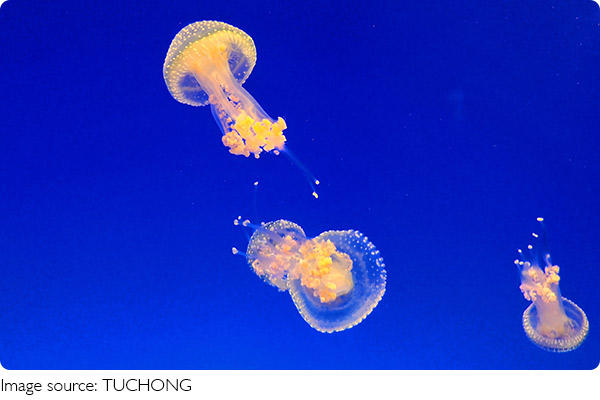
The evolution of brain complexity in animals followed key innovations, including the development of the cerebral cortex in mammals and the pallium in birds, enabling elaborate cognitive tasks and social interactions. These evolutionary leaps, observed from jellyfish neural nets to mammalian brains, underpin the escalating computational capacities seen in the animal kingdom. Comparative studies reveal shared and unique mechanisms of brain function, illustrating the evolutionary adaptability underlying nervous system diversification.
Animal brains, though varied in form and size, share fundamental structural and functional features that support survival, learning, and adaptation across environments. Intelligence and complex behavior derive more from neuronal density and brain organization than from size alone, with remarkable evolutionary modifications enabling diverse sensory integration and motor control. Understanding these top facts about how animal brains work enriches comprehension of cognition beyond humans and deepens appreciation for the evolutionary marvels shaping nervous system function in the natural world.