Smart Food Storage

Elena Rossi
| 25-06-2026
 · Food Team
Friends and Lykkers, have you ever opened your kitchen storage and found fresh ingredients losing their quality sooner than expected? It often feels disappointing, especially after carefully choosing quality items.
In our daily life, learning how to store food properly can help us reduce waste, save money, and enjoy better flavor every day. In this guide, we explore practical and easy ways we can keep different types of food in great condition for longer use.
Fresh Meat and Seafood Handling
When we store fresh meat and seafood, temperature control is the key. We keep them in a chilled environment between 0–4°C for short-term use, or place them in freezing conditions below -18°C for longer storage. It is important for us to avoid repeated thawing, as this can reduce freshness and quality.
For packaging, we use sealed storage bags or airtight wrapping to prevent liquid leakage and exposure to air. This helps maintain texture and natural flavor. Another important habit is separating raw items from cooked foods, so we reduce unwanted cross-contact during storage.
Fruits and Vegetables Care
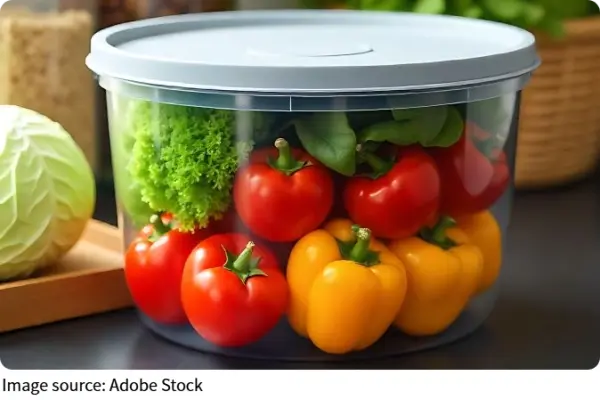
Different fruits and vegetables need different care. For leafy greens and small berries, we place them in a cool environment around 0–4°C and wrap them in breathable bags. This helps maintain moisture balance and prevents drying.
For tropical fruits like bananas or mangoes, we avoid overly cold storage and instead keep them in a shaded, cool place around 10–12°C. This helps prevent surface damage caused by low temperature.
Before placing produce into storage, we gently remove surface moisture. If any item shows signs of spoilage, we remove it quickly so it does not affect others nearby.
Dry Goods and Grains Storage
For dry foods such as beans, rice, and nuts, we focus on a dry, cool, and well-ventilated environment. The temperature should stay below 25°C, and light exposure should be minimized.
We store these items in sealed jars or food-safe moisture-proof bags. It is also helpful for us to check regularly for any insects or quality changes.
Some beans or dried snacks can be stored longer when we add small drying packets inside the container. This simple step helps maintain freshness over time.
Dairy Products and Eggs Care
Milk and yogurt need to stay in a chilled environment between 0–4°C. Once opened, we aim to finish them within a short time to keep the best taste and quality.
For eggs, we place them with the narrower end facing downward inside the cooling compartment. We also avoid washing them before storage, as this helps preserve their natural protective layer.
Different types of milk products have different storage durations, so we always check the packaging instructions to manage them properly.
Processed Foods Storage
Processed foods such as pickled or sweet-preserved items rely on concentration levels of salt or sugar for preservation. We keep them sealed and away from direct light.
Canned items can be stored at room temperature in a shaded place. Once opened, we transfer them into a sealed container and refrigerate them, consuming them within a short period.
Cooked meals are best kept in a chilled environment for less than two days. For longer storage, we divide them into portions and freeze them to maintain texture and taste quality.
Seasonings and Flavor Ingredients
Liquid seasonings like soy-based sauces or vinegar are best stored in glass containers with tightly closed lids. We keep them in a cool and dry place away from direct light.
Powder seasonings should also stay dry and sealed to prevent clumping. Herbs and spice blends require extra care because they can absorb moisture easily.
Paste-style seasonings should be sealed after each use and placed in a cool storage area. Fresh ingredients like green onions, ginger, and garlic are best bought in small amounts, and if stored, we separate them in sealed bags to prevent mixing of smells.
Bringing It All Together
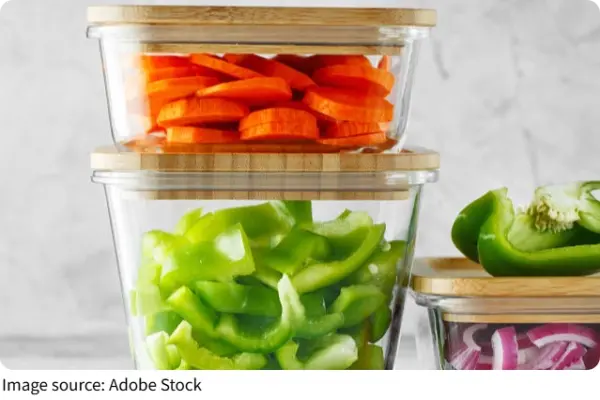
Food storage is not complicated, but it does require attention to small daily habits. When we understand how each type of food behaves in different conditions, we can greatly improve freshness and reduce waste. These simple practices help us enjoy better meals every day, whether for regular dining or special occasions.
Lykkers, which of these storage tips do you already use in your kitchen? Or is there a new method you feel inspired to try? Share your thoughts and let’s keep discovering better ways to enjoy fresh and flavorful food together!