Mountain Rice Wisdom
Finnegan Flynn
| 01-06-2026
 · Lifestyle Team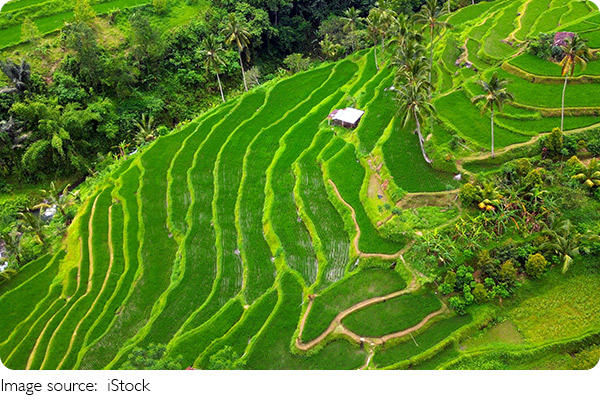
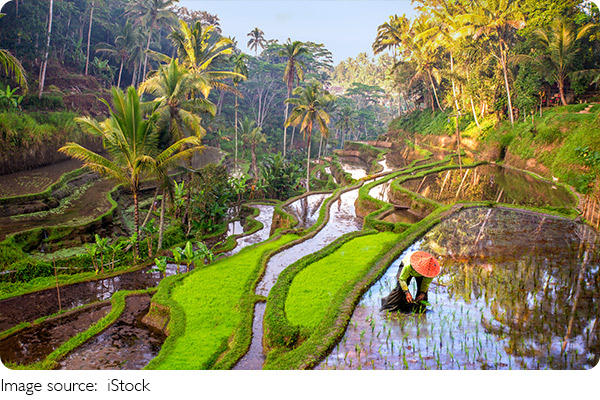
A Hmong mountain woman in an organic rice field gives us a scene full of color, patience, and quiet strength.
Lykkers, this is not only a beautiful countryside image. It shows how people, land, water, seeds, weather, and tradition can work together in a slow, meaningful rhythm.
Read the Rice Field
A mountain rice field may look peaceful, but it is full of knowledge. When you look closer, you begin to see planning, skill, family effort, and respect for nature in every green row.
Notice the mountain setting
Rice fields in mountain areas often follow the shape of the land. Instead of one flat field, you may see layered terraces stepping down the hillside. These terraces guide water, hold soil, and create growing space on slopes that would otherwise seem difficult for farming.
For you as a viewer, this makes the landscape feel almost like a green staircase. Each level has a purpose. The field is not shaped only for beauty. It is shaped for survival, harvest, and daily work.
Understand organic farming
Organic rice growing focuses on working with soil, water, and natural cycles. Farmers often pay close attention to compost, plant health, water flow, and local growing conditions. The goal is to raise rice while caring for the land that supports it.
This approach asks for patience. Nature does not respond like a machine. Rain may arrive late. Sun may be too strong. Weeds may grow quickly. The farmer watches, adjusts, and keeps learning from the field.
That is a useful life lesson. Good care is often quiet and repeated.
Respect the hands at work
A Hmong mountain woman in a rice field represents more than one moment. Her work may include planting, transplanting seedlings, managing water, removing weeds, carrying tools, checking growth, and helping with harvest.
From far away, the scene may look gentle. Up close, it takes strength, balance, and experience. Wet soil can be heavy. Mountain weather can change fast. Repeated fieldwork asks for endurance.
Lykkers, this is where appreciation matters. A bowl of rice carries effort that many people never see.
See clothing as culture
Hmong clothing is often colorful, detailed, and meaningful. Patterns, embroidery, fabric choices, and accessories can reflect identity, region, family tradition, and craft skill.
In a rice field, clothing may also be practical. Head coverings can shield from sun. Layered garments can support movement in changing weather. The image becomes richer when you see clothing not as costume, but as personal and cultural expression.
If you travel and meet local communities, ask before photographing people closely. Respect makes every encounter better.
Watch how water tells the story
Rice fields depend on water. In terraces, water moves from one level to another, often through careful channels. Too much water can be a problem. Too little can slow growth. Balance matters.
You can read the field by watching water. Is it still or moving? Is the soil glossy with moisture? Are seedlings standing upright? These little clues reveal how carefully the field is managed.
Water teaches one of the clearest lessons from rice farming: flow matters, but control matters too.
Bring the Lesson Home
You do not need to live in the mountains to learn from this scene. The rice field offers practical ideas for daily living, mindful eating, nature care, and more respectful travel.
Trace rice to its source
Next time rice appears on your table, pause for a moment. Think about seed, field, water, worker, harvest, drying, milling, transport, and cooking. That simple chain turns an ordinary meal into a story.
You can make this fun for children too. Ask them to draw the rice journey in six steps. Seed, seedling, field, harvest, grain, meal. Suddenly rice becomes less ordinary and more alive.
This small habit builds gratitude without needing a long speech.
Try a mindful rice meal
Prepare a simple rice dish and focus on texture, aroma, and warmth. Notice how the grains change after cooking. Notice how rice carries other flavors while still keeping its own soft character.
You can pair it with vegetables, herbs, beans, eggs, or light sauces. Keep the meal simple enough that the rice remains noticeable.
A mindful meal is not about being fancy. It is about paying attention to something usually taken for granted.
Create a mini terrace model
For a hands-on activity, make a tiny terrace model with paper, cardboard, or clay. Stack layers like steps, then draw water paths between them. Add green paper for rice plants.
This is useful for children because it explains how mountain farmers grow crops on slopes. It also shows how smart land design can protect soil and manage water.
You can make it funny by adding tiny paper farmers, birds, clouds, and one very dramatic goat looking confused on the hillside.
Learn from slow work
Rice farming reminds us that some work cannot be rushed. Seedlings need time. Water needs checking. Soil needs care. Harvest comes only after many steady days.
Apply this to your own routine. Choose one goal that needs patience, such as learning a skill, caring for plants, improving health, or finishing a creative project. Break it into small repeated actions.
The rice field says something simple: daily care creates visible results later.
Travel with better manners
If you visit mountain rice terraces or Hmong communities, travel gently. Stay on marked paths, avoid stepping into fields, ask before taking close photos, and support local guides or local-made crafts when possible.
Do not treat working fields as photo stages. They are living workplaces. A respectful visitor notices beauty while also respecting effort.
Good travel is not only about what you see. It is about how you behave while seeing it.
Bring organic thinking into daily life
Organic thinking can extend beyond food labels. It means paying attention to cycles, reducing waste, caring for soil or plants, and choosing habits that support long-term health.
You can start small. Compost kitchen scraps where suitable. Grow herbs on a windowsill. Buy seasonal produce when possible. Reduce unnecessary packaging. Learn one fact about the farmers or region behind a food you use often.
These actions may seem small, but lifestyle change often begins like rice seedlings: tiny, green, and full of future.
Celebrate women in farming
Women play essential roles in agriculture across many communities. They plant, sort, carry, cook, sell, manage family needs, and protect traditions. The Hmong mountain woman in the field is part of that larger story.
When we talk about food, we should also talk about the people behind it. Respect grows when labor becomes visible.
A Hmong mountain woman in an organic rice field shows patience, skill, culture, and deep connection to land. Lykkers, this scene teaches us to value food, respect rural work, travel thoughtfully, and live with more attention. A rice field may look quiet, but it carries a whole world of wisdom.