Facts About Lions

Pardeep Singh
| 20-04-2026
 · Animal Team
The King of the Jungle
Lions are often called the "king of the jungle," but have you ever wondered why? While lions don't live in jungles (they mostly inhabit grasslands and savannas), their majestic presence and hunting prowess have earned them this regal title.
Lions are powerful creatures with complex social structures and interesting habits, making them one of the most captivating animals on the planet. Let's dive into some fascinating facts about these magnificent creatures.
1. Lions Are Social Cats
Unlike most big cats, which are solitary, lions are highly social animals that live in groups known as prides. These prides can range from a few lions to over 30 individuals, depending on the habitat and resources. The pride is typically made up of several females, their cubs, and a few males. Lions are one of the few species of big cats that hunt together, and this teamwork is a key factor in their survival.
1.1 The Role of the Females
Female lions, or lionesses, do most of the hunting for the pride. They work together to stalk and bring down large prey like buffalo, zebras, and antelopes. The coordination and teamwork involved in a lioness' hunt is a testament to their intelligence and strength. Male lions, on the other hand, are mainly responsible for protecting the pride and defending their territory.
1.2 Males' Majestic Manes
The iconic mane of the male lion is one of the most recognizable features of the species. It's not just for show—the mane helps to protect the lion's neck and throat during fights with other males. The color and size of a lion's mane can also indicate its health and strength, and is often an attractive feature to females.
2. Lions Sleep a Lot
Lions are known for their love of sleep, often spending up to 20 hours a day resting. While this may seem lazy, it's actually part of their hunting strategy. Lions are most active during the cooler parts of the day, typically early in the morning or late at night, when they hunt and patrol their territory. The rest of the time, they conserve energy by lounging in the shade or under trees, waiting for their next opportunity to strike.
2.1 The Energy Conservation Strategy
Lions need a lot of energy for their hunting expeditions, and a good rest helps them stay alert and ready. This strategy also allows them to be efficient hunters. While lions may appear lazy, their rest periods are an essential part of their survival.
3. Lion Roars Can Be Heard from Miles Away
A lion's roar is not just a display of strength—it serves several important functions, such as marking territory, communicating with pride members, and intimidating rivals. Lions have a powerful roar that can be heard up to 5 miles away, which is essential for establishing dominance in their territory.
3.1 Territorial Roaring
Male lions roar to warn other males to stay away from their pride's territory. The roar is a signal that they are in control, and it's enough to send other lions scurrying. A lion's roar is deep and resonant, amplified by its large chest cavity, making it one of the loudest calls in the animal kingdom.
3.2 Communicating with the Pride
Roaring isn't just about warding off enemies. It also serves as a communication tool within the pride. A lioness may roar to alert others to danger, while cubs use softer vocalizations to call out to their mothers. This form of vocal communication helps keep the pride connected, even from a distance.
4. Lions Have Incredible Strength
Lions are among the strongest animals in the world, with powerful muscles and jaws that can take down large prey. Their bite force is formidable, capable of breaking bones and crushing the skulls of their prey. Lions also have sharp claws that they use for both hunting and defense.
4.1 Hunting Large Prey
Lions are capable of hunting animals much larger than themselves, such as wildebeest and even giraffes. Their strength and strategy allow them to bring down these large, powerful creatures with ease. However, hunting big game is often a team effort, with the lionesses doing most of the work and the males providing backup when necessary.
4.2 Protecting Their Pride
Lions are also incredibly protective of their pride. A male lion will fiercely defend his pride and territory from other males, sometimes fighting to the death to keep control. Their strength is not just for hunting; it's also essential for protecting their families from threats.
5. Lions Have a Lifespan of 10-14 Years in the Wild
In the wild, lions live between 10 and 14 years on average. However, their lifespan can vary depending on factors like prey availability, competition from other predators, and human intervention. In captivity, where food is abundant and threats are minimal, lions can live longer—up to 20 years.
5.1 Life Expectancy in the Wild
In the wild, lions face numerous challenges that can shorten their lifespan, including diseases, injuries, and conflicts with rival lions. They must constantly defend their territory, hunt for food, and protect their young from predators. The life of a lion is one of constant struggle, but also remarkable resilience.
5.2 Longevity in Captivity
Lions in zoos or wildlife reserves tend to live longer, as they have access to medical care and a steady supply of food. However, even in captivity, lions still require plenty of space to roam and maintain their physical and mental health.
Conclusion: A Symbol of Power and Majesty
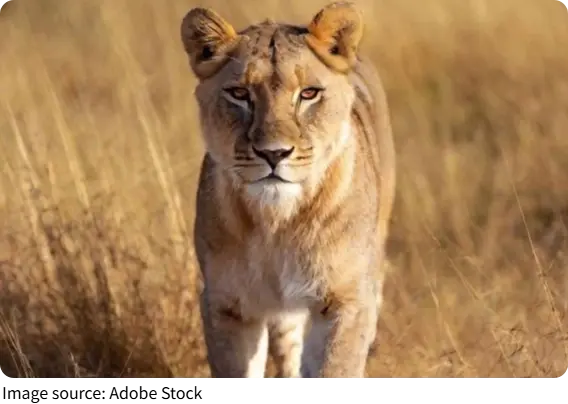
Lions are truly magnificent creatures, embodying power, grace, and social complexity. Their fierce hunting skills, powerful roars, and strong sense of community make them one of the most intriguing animals in the world. Despite the challenges they face, lions continue to reign as a symbol of strength and majesty, admired by people all over the globe. As we continue to protect their habitats and understand their behaviors, lions will remain one of the most iconic species on Earth.