Squirrels: Nature’s Acrobats

Naveen Kumar
| 20-04-2026
 · Animal Team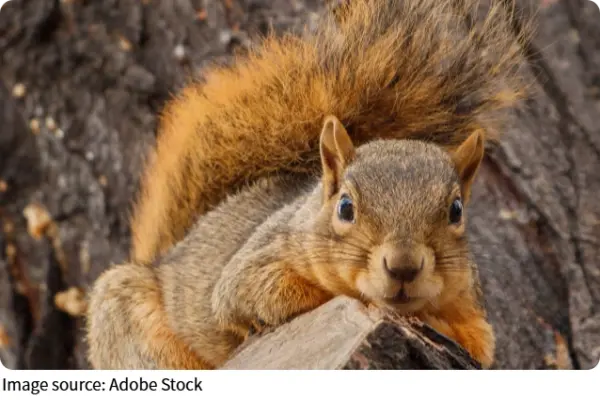
Introduction: The Squirrel's World
Squirrels are among the most energetic and curious creatures in nature. Known for their quick movements and bushy tails, these small mammals are found in diverse environments around the world.
They belong to the family Sciuridae and are highly adaptable, making them one of the most common mammals in urban and rural areas alike. Despite their playful nature, squirrels face numerous challenges in their quest for survival.
1. Squirrel Species: A Diverse Group
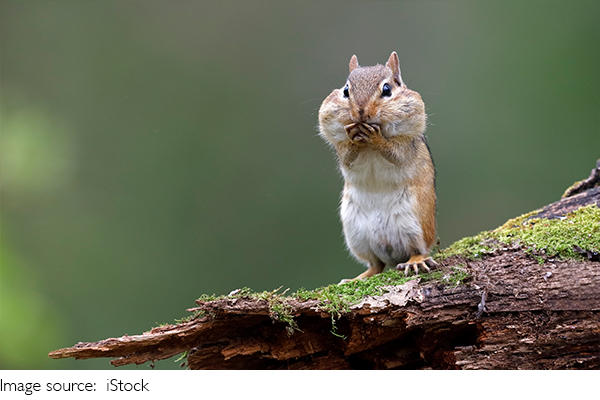
There are over 200 species of squirrels, each with unique characteristics suited to their environment. From tree squirrels that dwell in the canopies of forests to ground squirrels that dig extensive burrow systems, squirrels come in all shapes, sizes, and colors. While gray squirrels are the most common in North America, red and black squirrels also thrive in different regions.
2. Masterful Climbers and Acrobats
Squirrels are renowned for their agility. They possess excellent climbing skills, thanks to their sharp claws that allow them to grip tree bark and leap from branch to branch with ease. In fact, squirrels can leap distances up to ten times the length of their body, a feat that rivals the skills of the best acrobats in the animal kingdom. This ability helps them escape predators and search for food in the most challenging of environments.
3. Communication Skills
Squirrels communicate with each other using a variety of vocalizations and tail movements. Their most common form of communication is through tail flicking, which signals warnings to other squirrels when danger is nearby. They also produce high-pitched calls to warn other squirrels about predators or to indicate excitement, especially during mating season.
4. Nut Hiding: A Key Survival Strategy
Squirrels are famous for hoarding nuts, which they stash away in various locations to prepare for the winter months. This behavior, known as caching, is vital for their survival during colder months when food is scarce. They have an incredible memory and can remember the locations of hundreds of hidden nuts. Interestingly, squirrels are known to be responsible for planting many trees in the process, as they often forget some of their caches, which then sprout into new growth.
5. Squirrel Diet: More Than Just Nuts
Although squirrels are best known for eating nuts, their diet is actually quite varied. They also consume fruits, seeds, fungi, and even small insects and bird eggs. This adaptability allows squirrels to survive in different habitats and seasons. They are opportunistic feeders, meaning they take advantage of whatever food sources are available to them at any given time.
6. Rapid Reproduction
Squirrels reach reproductive maturity at around one year old and can mate twice a year, typically in late winter and early summer. Female squirrels give birth to litters of 2-5 young, which are born blind and hairless. The mother cares for the young for about 2-3 months, teaching them how to forage and survive in the wild. Afterward, the young squirrels venture out to establish their own territory.
7. Predators and Threats
Despite their agility, squirrels are not without their predators. Hawks, owls, and even domestic cats are known to hunt squirrels. Ground squirrels, in particular, face additional threats from snakes and coyotes. To avoid becoming prey, squirrels rely on their quick reflexes, excellent climbing abilities, and vigilance to stay one step ahead of potential threats.
Conclusion: The Remarkable Squirrel
Squirrels are not only adorable but also fascinating creatures with complex behaviors and survival strategies. From their acrobatic feats in the trees to their impressive hoarding habits, squirrels continue to capture the curiosity of both wildlife enthusiasts and casual observers. While they may be small, their resourcefulness, agility, and communication skills make them one of nature's most remarkable creatures.