Timeless Men's Retro Outfits

Pankaj Singh
| 04-04-2026
 · Fashion Team
Retro fashion has made a major comeback in recent years, and it's not just a passing trend.
From vintage suits to funky accessories, men's retro outfits offer a timeless charm that transcends generations.
Whether you're attending a 70s-inspired party or simply love the nostalgia of past decades, retro clothing is all about expressing personality, confidence, and a sense of history. The appeal of retro style lies not only in its uniqueness but also in how it effortlessly blends with modern fashion sensibilities.
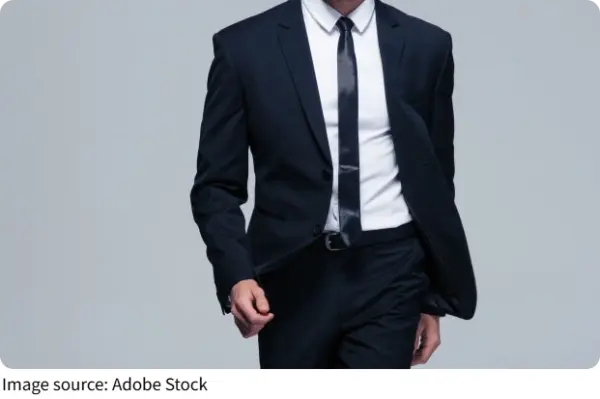
The Roots of Retro Style: The 50s and 60s
In the 1950s and 1960s, men's fashion was marked by clean lines, sharp tailoring, and a sense of sophistication. Suits were the centerpiece of men's wardrobes, often accompanied by crisp white shirts, narrow ties, and polished shoes. The styles were influenced by iconic figures like James Dean and Elvis Presley, whose rebellious yet stylish looks defined an era. These outfits, though understated, radiated confidence and class, making them the perfect base for modern retro interpretations.
1. Design Aesthetic: Slim-fit suits, skinny ties, and leather jackets defined the era.
2. Key Elements: Turtlenecks, waistcoats, and vintage accessories such as pocket squares.
3. Cultural Impact: This era's fashion was about rebellion and youthful energy, while still adhering to a sense of polished sophistication.
The Bold and Bright 70s: Disco and Street Style
The 1970s were all about breaking conventions. Fashion became louder, brighter, and more eclectic. Men's retro outfits from this era feature bold patterns, flared pants, and flashy shirts, often adorned with large collars. Think of disco balls and Saturday night fever: men embraced flashy looks that were designed to stand out. The influence of music icons like David Bowie and the rise of disco music played a major role in shaping the fashion scene of this decade.
1. Design Aesthetic: Bright colors, psychedelic prints, and oversized collars.
2. Key Elements: Bell-bottom pants, velvet blazers, and platform shoes.
3. Cultural Impact: This era was defined by self-expression, individuality, and the celebration of nightlife.
The Minimalism of the 80s: Power Suits and Streetwear
The 1980s brought about a shift towards power dressing. Men embraced sharp, structured suits that exuded authority and professionalism. However, the 80s weren't all about formal wear—streetwear culture also gained prominence, especially in urban areas. Hip-hop icons such as Run DMC popularized oversized jackets, tracksuits, and sneakers, which soon became an essential part of retro fashion. This fusion of professional and casual styles is a hallmark of 80s fashion and has seen a revival in today's streetwear trends.
1. Design Aesthetic: Structured suits, leather jackets, and high-top sneakers.
2. Key Elements: Tracksuits, bomber jackets, and chunky accessories.
3. Cultural Impact: The 80s were defined by contrasts—formal power dressing and the casual, rebellious street style.
Modern Interpretations: Mixing Retro with Contemporary
Today, men's retro outfits are all about mixing and matching influences from the past with contemporary pieces. Modern retro enthusiasts often blend vintage-inspired clothing with current trends to create a fresh, unique look. Whether you're wearing a classic leather jacket with skinny jeans or pairing flared pants with a modern graphic tee, it's all about balance. Mixing retro and modern styles creates a personal look that's as much about individuality as it is about nostalgia.
1. Design Aesthetic: A fusion of vintage patterns and modern cuts.
2. Key Elements: Vintage jackets paired with slim jeans or sneakers.
3. Cultural Impact: Retro fashion is now a statement of individuality, embracing both the past and the present.
Conclusion: The Enduring Appeal of Retro Fashion
Men's retro outfits are more than just fashion choices; they represent a deep connection to the past and a celebration of cultural milestones. Whether it's the clean lines of the 50s, the boldness of the 70s, or the power dressing of the 80s, retro fashion allows men to express their personalities through timeless styles. Today, retro fashion continues to thrive because of its ability to blend nostalgia with modern influences, creating a look that's both classic and contemporary. Embracing retro style is not just about looking back; it's about bringing the best of the past into the present and making it your own.