Porcelain and Modern Art

Mukesh Kumar
| 04-04-2026
 · Art Team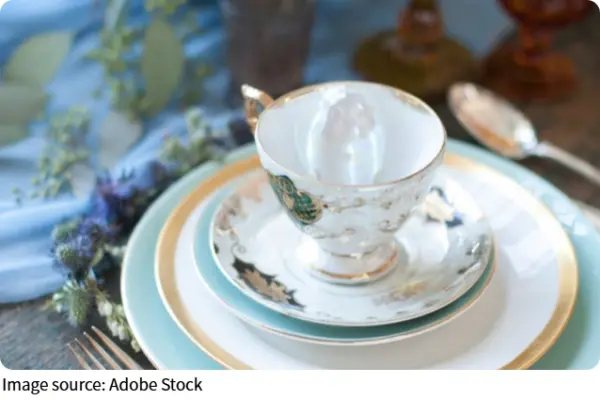
For centuries, porcelain has been synonymous with fine craftsmanship and classic elegance.
Historically used for delicate tea sets, royal dinnerware, and intricate figurines, porcelain has long been regarded as a traditional medium.
But in the 21st century, artists have begun to challenge these conventional uses, pushing the boundaries of porcelain art to create bold, innovative works that defy expectations. By combining modern technology, new artistic visions, and unconventional techniques, contemporary artists are breathing new life into porcelain, transforming it from a symbol of tradition to a medium of modern expression. Let's explore how porcelain is being reimagined in the world of contemporary art.
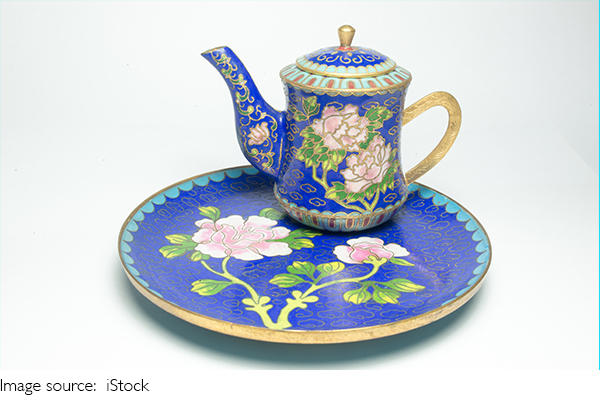
1. Redefining Porcelain's Form and Function
While traditional porcelain pieces like vases and plates have their place in art history, contemporary artists are stepping outside these boundaries. They are experimenting with the medium, creating sculptures, installations, and large-scale works that challenge our perception of porcelain.
1. Abstract Sculptures: Artists like Betty Woodman and Grayson Perry have used porcelain to create abstract sculptures, emphasizing the fluidity and tactile quality of the material. These works often defy traditional form, twisting and contorting the porcelain into shapes that evoke emotion rather than just functional beauty.
2. Mixed Media: Many modern artists combine porcelain with other materials, such as metal, wood, or glass, to enhance the contrast and texture of the piece. This fusion challenges the conventional notion that porcelain must stand alone as a refined, delicate material.
3. Interactive Installations: Artists are incorporating porcelain into interactive installations that engage the audience both visually and physically. These large-scale works often invite viewers to touch or interact with the porcelain, breaking the traditional "don't touch" barrier associated with fine art.
Through these innovative approaches, contemporary artists are transforming porcelain from a decorative craft into a dynamic, thought-provoking art form.
2. Embracing New Techniques and Technologies
Modern artists are not only pushing the boundaries of form but also experimenting with new techniques and technologies to redefine the possibilities of porcelain. From 3D printing to cutting-edge glazing methods, artists are breaking free from traditional processes to explore new creative horizons.
1. 3D Printing: One of the most exciting advancements in contemporary porcelain art is the use of 3D printing technology. Artists can now design and print intricate porcelain pieces that would be nearly impossible to achieve by hand. This technology allows for the creation of complex structures with fine details, opening up new possibilities for sculptural works.
2. Alternative Firing Techniques: Artists are exploring alternative firing techniques, such as pit firing or raku firing, to create unique textures and colors on their porcelain pieces. These non-traditional methods offer more freedom and unpredictability, giving artists the ability to experiment with unconventional results.
3. Digital Design and Laser Cutting: The use of digital tools has also allowed artists to create intricate, precise designs on porcelain. Laser cutting and digital design software enable artists to carve complex patterns or images onto porcelain surfaces, creating a fusion of traditional materials with modern technological tools.
By embracing these new techniques, contemporary porcelain artists are expanding the boundaries of what is possible, creating works that are both innovative and captivating.
3. Porcelain as a Medium for Conceptual Art
In addition to experimenting with form and technique, modern artists are using porcelain to convey deeper conceptual ideas. Porcelain's delicate and fragile nature makes it an ideal medium for exploring themes of vulnerability, memory, and the passage of time.
1. Themes of Fragility: The fragility of porcelain is often used to symbolize vulnerability and impermanence. Artists like Angela De la Cruz use porcelain in their works to explore the fragility of the human experience, creating broken or shattered pieces that speak to themes of destruction and resilience.
2. Memory and Nostalgia: Some artists use porcelain to evoke a sense of nostalgia, referencing its traditional use in heirlooms and family treasures. By distorting or breaking porcelain objects, artists like Bjørn Wiinblad challenge the viewer's understanding of memory, loss, and the passage of time.
3. Cultural Commentary: Many artists use porcelain to make statements on contemporary culture and societal norms. Through the medium's historical connection to luxury and elitism, artists challenge notions of class and social status, reflecting on how wealth and power are often visualized.
Through these conceptual approaches, contemporary porcelain art is moving beyond aesthetics to engage with deeper philosophical and social questions.
4. The Global Influence of Contemporary Porcelain
Porcelain art has become a truly global phenomenon, with artists from all over the world experimenting with the medium. From Europe to Asia, artists are drawing inspiration from their cultural backgrounds while also incorporating modern techniques to create globalized art forms.
1. Cross-Cultural Influences: Many artists are blending traditional porcelain techniques with the aesthetics and cultural symbols of their native countries. This fusion creates pieces that reflect a globalized world, where different cultures and artistic practices merge.
2. Exhibitions and Collaborations: The international art world has embraced contemporary porcelain art, with exhibitions dedicated to showcasing new works and collaborations between artists from different backgrounds. These exhibitions provide a platform for porcelain artists to reach a broader audience and spark conversations about the evolving nature of art.
Contemporary porcelain art is no longer confined to the traditions of one culture or region. It is a truly global art form that reflects the diverse and interconnected world we live in today.
Conclusion: The Renaissance of Porcelain
The modern reinterpretation of porcelain is an exciting evolution in the world of art. By breaking free from traditional uses and exploring new techniques, forms, and concepts, contemporary artists are redefining the boundaries of this ancient medium. Porcelain, once synonymous with luxury and tradition, is now a medium for personal expression, cultural commentary, and technological innovation. As artists continue to push the limits of what is possible, porcelain art will undoubtedly continue to evolve and inspire. This renaissance of porcelain reminds us that art, much like the medium itself, is always in a state of transformation, capable of surprising and challenging us in new and unexpected ways.