Indoor Flower Styling

Nolan O'Connor
| 26-02-2026
 · Plant Team
The moment you place a fresh bouquet in a room, the atmosphere changes.
The scent, the colors, the shapes—all combine to lift spirits and bring life to otherwise plain corners. Indoor flowers aren't just decoration; they're a way to personalize your space, reflect your mood, and even spark creativity.
1. Choosing the Right Flowers
Not every flower fits every room or style. Think about color, size, and longevity before picking your blooms.
Tips:
Bright flowers like tulips, daisies, or gerberas bring energy to living areas.
Soft pastels like ranunculus, hydrangeas, or roses add calm to bedrooms or reading nooks.
Consider bloom lifespan—orchids or chrysanthemums last longer than delicate blooms like lilies.
Actionable example: Select a combination of flowers with varied heights and textures. For instance, pair tall gladiolus with low, bushy chrysanthemums to create dimension in a living room vase.
2. Matching Vases and Containers
The container is as important as the flowers themselves. A vase sets the tone for the arrangement and complements your room's style.
Tips:
Clear glass vases work well for showcasing stems and water clarity.
Ceramic or metallic containers add texture and can make bold statements.
Ensure the vase size fits the flower bouquet—too small will squash the stems, too large can make the arrangement look sparse.
Actionable example: Before buying flowers, look around your room for containers you already have. Try using a mason jar or a teacup for small arrangements to add a quirky, personal touch.
3. Arranging Flowers with Balance
Arrangement isn't just about putting flowers together. It's about rhythm, balance, and flow.
Tips:
Use odd numbers of flowers for a more natural look.
Place the tallest stems in the center or back, shorter ones around them.
Incorporate greenery and filler flowers like eucalyptus, ferns, or baby's breath for depth.
Actionable example: Lay your flowers on a table before arranging. Adjust spacing and angles, then add greenery around the edges to soften the look and create movement.
4. Location Matters
Where you place your flowers can drastically impact the room's feel. Consider light, visibility, and function of the space.
Tips:
Dining tables benefit from central bouquets that don't block sightlines.
Coffee tables work well with low, wide arrangements that invite interaction.
Entryways can host tall or cascading arrangements for an impressive welcome.
Actionable example: Move your vase around the room at different heights and angles. Observe which spot naturally draws the eye and feels most harmonious with furniture and lighting.
5. Maintaining Freshness
Flowers wilt quickly if not cared for properly. Extending their life keeps your room vibrant longer.
Tips:
Trim stems at a 45-degree angle every few days to improve water absorption.
Change the water every two days to prevent bacteria growth.
Remove wilted leaves and petals to keep the bouquet looking lively.
Actionable example: Mix a teaspoon of sugar or a few drops of lemon juice into the vase water to nourish the flowers. Place the arrangement away from direct heat or sunlight to slow wilting.
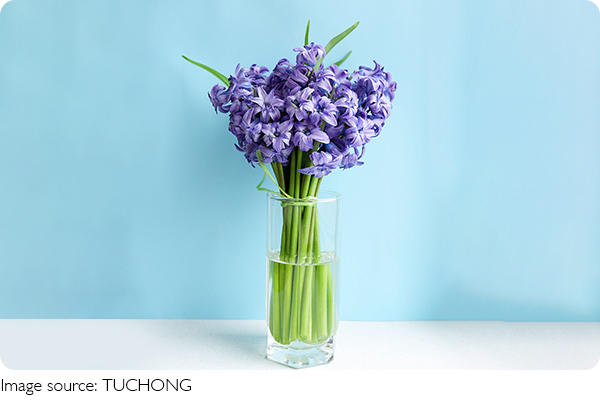
Flowers indoors aren't just decorative—they set a mood, highlight a space, and bring freshness to everyday life. By carefully selecting blooms, matching containers, arranging thoughtfully, placing strategically, and maintaining properly, you can turn any corner into a lively, inviting spot. Taking a few moments to experiment with these techniques can transform your home from ordinary to vibrant, making each day feel just a bit brighter.