Life of a Lioness

Chandan Singh
| 25-02-2026
 · Animal Team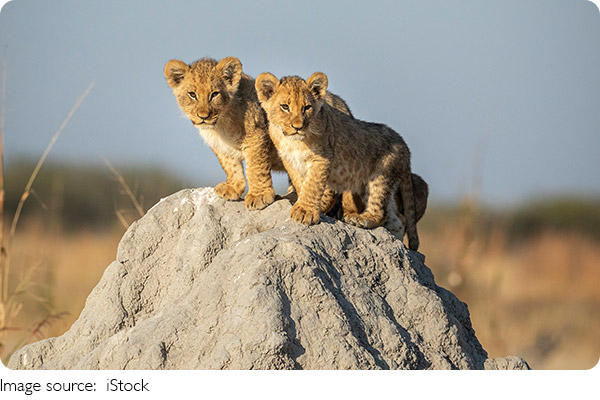
At sunrise on the savanna, while the air is still cool and golden light stretches across the grass, a lioness is already alert.
She lifts her head, scans the horizon, and listens. Around her, cubs tumble and nudge each other. Nearby, other females rest—but lightly. This isn't laziness. It's calculated conservation of energy.
The daily life of a lioness is built on cooperation, strategy, and resilience. She isn't just a hunter. She's a caretaker, defender, teacher, and core member of a tightly bonded social group. To understand her habits is to understand how lion societies truly function.
1. Social Structure and Cooperation
Strong female bonds
Shared responsibility
Coordinated roles
Lionesses live in groups called prides, usually made up of related females—sisters, mothers, daughters, aunts. This family-based system creates stability. While male lions may come and go, the females form the permanent core of the pride.
Lionesses groom each other regularly. This isn't just affection—it reinforces social bonds.
They rest together, often touching, which strengthens group cohesion.
They raise cubs collectively, allowing mothers to take short breaks to feed or rest.
This cooperative structure increases survival rates for cubs. When one mother hunts, another may stay behind to watch over the young.
Actionable example: If you're observing lions on a wildlife tour, focus not only on dramatic moments but on subtle interactions—like grooming or synchronized resting. These behaviors reveal the social glue holding the pride together.
2. Hunting Strategies and Skill
Team coordination
Energy efficiency
Stealth and timing
Lionesses are the primary hunters of the pride. Unlike solitary big cats, they rely on teamwork. Hunts usually occur at night or during cooler hours, when prey is less alert and temperatures are manageable.
A typical hunt involves clear roles:
Some lionesses act as flankers, quietly moving to the sides.
One or two may drive prey toward hidden members.
The group closes in together, increasing success rates compared to solo attempts.
Large prey requires coordination. Smaller animals may be taken by a single lioness, but cooperative hunts allow the pride to feed more efficiently.
Hunting isn't constant. Lionesses may rest up to 16–20 hours a day to conserve energy. When they do hunt, it's deliberate and calculated.
Actionable example: When studying lion behavior in documentaries, pay attention to positioning before a hunt begins. Notice how individuals spread out and communicate silently through body language.
3. Maternal Care and Teaching
Protective instinct
Patient instruction
Early independence training
A lioness gives birth to litters of one to four cubs after a gestation period of about 110 days. For the first few weeks, she keeps them hidden in dense cover, returning frequently to nurse.
Around six weeks old, cubs are introduced to the pride. From that point forward, communal care begins. Cubs nurse from multiple females if needed, a behavior known as allonursing.
As cubs grow, lionesses teach through demonstration:
Cubs follow adults during hunts.
They practice stalking each other in play.
They learn boundaries within the pride hierarchy.
Play behavior isn't random. It builds coordination, strength, and social awareness.
Actionable example: When watching young lions, observe how play mimics mature hunting movements. Even a playful pounce is part of skill development.
4. Territory and Defense
Home range awareness
Group vigilance
Collective defense
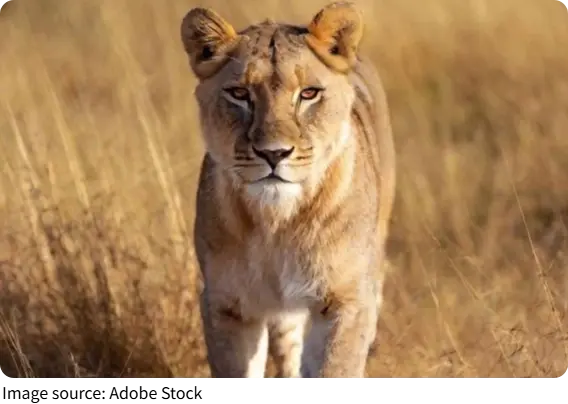
Lionesses help defend the pride's territory, which can span dozens to hundreds of square kilometers depending on prey availability. While males are often associated with territorial displays, females actively participate in defense.
They use scent marking and vocalizations to signal presence. Roaring can travel several kilometers, warning outsiders that the area is occupied.
Territorial defense protects food resources and cub safety. Without a stable territory, survival becomes unpredictable.
Actionable example: In field observations, listen for synchronized roaring at dusk or dawn. These vocal displays often reinforce group unity and territorial claims.
5. Daily Rhythms and Adaptation
Heat management
Flexible routines
Environmental awareness
Lionesses adapt their routines to climate and prey movement. In hotter regions, activity peaks during cooler hours—early morning and late evening.
Resting in shade during midday reduces energy loss. When prey patterns shift seasonally, lionesses adjust travel routes and hunting grounds.
Water sources influence pride movement. During dry periods, lionesses may travel longer distances to ensure access for cubs.
Actionable example: If tracking lions in research settings, compare activity patterns with temperature changes. You'll often see clear correlations between climate and movement.
A lioness's life isn't built on dramatic moments alone. It's shaped by steady cooperation, quiet vigilance, and learned skill. She balances strength with patience, leadership with teamwork. When you look beyond the surface, you see not just a powerful predator, but a social strategist at the heart of her community.